

China is widely known for its extensive spying and surveillance capabilities. The CCP has built a vast digital surveillance system around Tibet that tracks citizens’ online activities, phone calls, messages, and even physical movements. With these tactics, China watches and controls the Tibetan people using modern technology. This spying happens both inside Tibet and in Tibetan communities outside China. Tibetan communities are once again the target of dangerous digital surveillance where China’s state- sponsored hackers had used fake Dalai Lama apps to spy over Tibetans.
According to a report released by the National Cyber Security Centre (NCSC), a division of GCHQ, and agencies in Australia, Canada, Germany, New Zealand, and the US, in the weeks before His Holiness the Dalai Lama’s 90th birthday, hackers linked to China launched two cyber espionage operations aimed at the Tibetan community which were Operation GhostChat and Operation PhantomPrayers.
These operations took advantage of the surge in internet activity and attention around the Dalai Lama’s milestone birthday, which is an important occasion in Tibetan culture and targeted Tibetans with fake apps and websites themed around the birthday celebrations to trick victims into downloading spyware. In order to divert victims to attacker-controlled websites, both operations employed “watering hole” tactics, which involved compromising or imitating trustworthy websites that are well-known among the Tibetan community. This includes several niccenter[.]net subdomains that hosted phony Tibetan websites and applications.
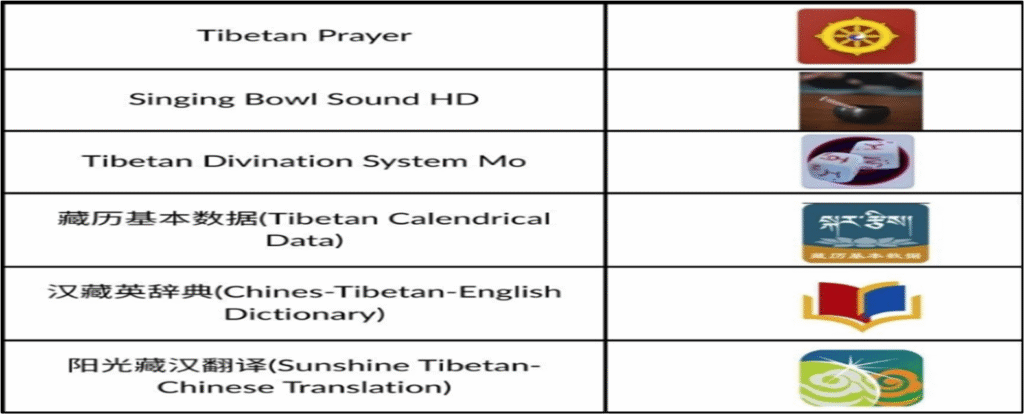
An authentic Tibetan charity website was hijacked during Operation GhostChat, and a link pertaining to the 90th birthday of the Dalai Lama was swapped out with one that led to a phony website that looked similar. The so-called “Tibetan version” of a secure messaging program that was sold on this fraudulent website installed the Gh0st RAT. Keystroke logging, screenshotting, webcam activation, audio recording, and file theft were all possible with the infection.
A fake “Global Birthday Check-in” app that displayed an interactive map and allowed users to give blessings to the Dalai Lama was part of Operation Phantom Prayers. Despite its seemingly harmless appearance, the app covertly installed PhantomNet spyware, which allowed the attackers to remotely download other malicious software and steal confidential data.
For more than ten years, the Tibetan community has been under attack from digital espionage. In 2009, the University of Toronto’s Citizen Lab uncovered “GhostNet,” one of the first widely publicized extensive cyber espionage operations directed at Tibetans. This effort used remote access trojans (RATs) and other spyware to infiltrate Tibetan offices, including the Private Office of His Holiness the Dalai Lama in Dharamsala, India, as well as government agencies in 103 countries.
Chinese digital espionage had earlier targets the Tibetan population in India, particularly in Dharamsala, home of the Dalai Lama’s office and the Central Tibetan Administration (CTA). Chinese hackers break into Tibetan networks, steal private data, and spy on NGOs and exiled officials using sophisticated phishing, malware-filled emails, and phony programs. Because of this continuous espionage against Tibetan exiles inside its borders, these hacks harm their information security, undercut Tibetan political activities in India, and exacerbate geopolitical tensions between China and India.
The cyberattacks on the Tibetan communities by Chinese state-sponsored hackers are deeply linked to broader human rights violations. Privacy, freedom of expression, cultural rights, political liberties, and protection from arbitrary arrest are all violated when Tibetans are subjected to digital repression through hacking, malware, and spyware. These computer espionage tactics are acknowledged by international human rights reports as instruments that support authoritarian control over marginalized minority. Confronting China’s cyber espionage requires a unified, sustained approach combining diplomatic, legal, technical, and humanitarian efforts. Only by working together can the international community deter digital repression.



Leave a Reply