
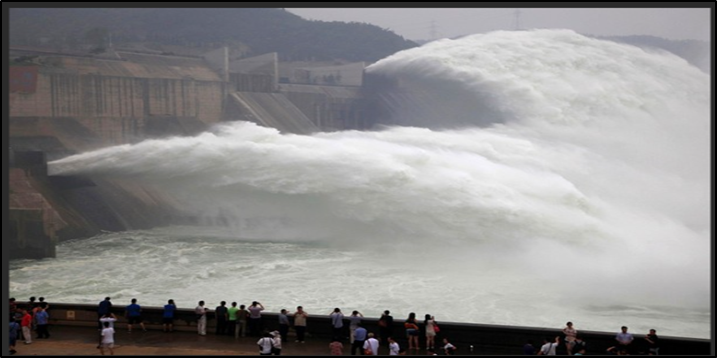
China has greenlit the construction of the largest hydropower dam globally on the Yarlung Tsangpo River in Tibet, a project expected to cost around $137 billion. With a capacity of 60,000 megawatts (MW), it aims to produce approximately 300 billion kilowatt-hours (kWh) of electricity annually, significantly surpassing the output of the Three Gorges Dam. This initiative is part of China’s strategy to achieve carbon neutrality by 2060 and escalate geopolitical tensions with neighboring countries like India and Bangladesh due to potential environmental impacts on local ecosystems and communities.
As per the news article published in www.ft.com on 26 Jan 25 India has expressed significant concerns regarding China’s recent announcement to construct the world’s largest dam on the Yarlung Tsangpo River in Tibet, which is known as the Brahmaputra River in India. This mega hydropower project, expected to generate approximately 300 billion kilowatt-hours of electricity annually, is projected to be three times larger than China’s existing Three Gorges Dam, currently the largest in the world.
India’s Concerns
Ecological Impact: Indian officials, including Foreign Ministry spokesperson Randhir Jaiswal, have raised alarms over China’s plan to construct the world’s largest dam on the Yarlung Tsangpo River in Tibet. They emphasize that the project could lead to significant ecological disturbances and does not adequately consider the needs of downstream countries like India and Bangladesh, which rely heavily on the river for agriculture and drinking water. Jaiswal reiterated the necessity for transparency and consultation to protect the interests of these lower riparian states.
Geopolitical Tensions: The dam’s strategic location near the contested Arunachal Pradesh border raises significant concerns for India regarding potential water scarcity and flooding. Analysts warn that China exploit control over water flows as a geopolitical leverage, especially given the historical tensions between the two nuclear-armed nations. This situation amplifies fears that China manipulate water resources during conflicts, posing a direct threat to India’s agricultural and drinking water supplies, while intensifying the ongoing competition for control over shared water resources.
Response from China: In response to India’s objections, so-called Chinese officials have claimed that the construction of the world’s largest dam on the Yarlung Tsangpo River will not negatively impact downstream countries like India and Bangladesh. They assert that the project will prioritize ecological protection and assist in achieving China’s carbon neutrality goals. However, skepticism persists in India due to China’s historical actions regarding water management and environmental concerns, leading to doubts about the validity of these assurances amidst ongoing regional tensions.
In light of these developments, India is advancing its own dam project in Arunachal Pradesh, known as the Siang Upper Multipurpose Project, which aims to mitigate potential flood risks associated with China’s dam construction. This project is intended to bolster India’s energy security and counterbalance China’s influence over shared water resources.
The ongoing situation in South Asia showcasing a critical struggle over water resources, with India and China becoming increasingly assertive in their infrastructural developments. As India aims to protect its interests through domestic projects, it remains cautious of China’s initiatives and their potential impacts on regional stability and environmental health. This competition for water resources underscores the need for collaborative management strategies to ensure sustainable access for all nations involved, while addressing the pressing challenges posed by population growth and climate change.





Leave a Reply