
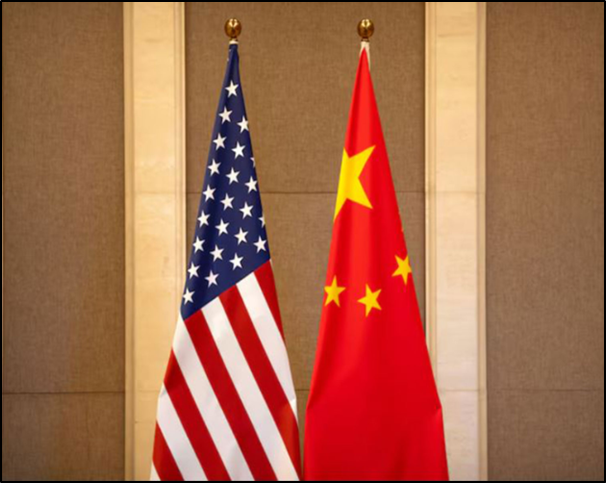
China and the United States held their second 2025 MMCA maritime security consultations in Hawaii from November 18–20, focusing on maritime and air safety, rules for encounters, and crisis-avoidance mechanisms. Chinese officials called the talks candid and constructive, stressing equal, respectful dialogue and opposition to US freedom-of-navigation operations conducted near China’s claimed waters. Despite these risk-reduction efforts, the consultations unfolded amid rising tensions with Japan and continued confrontations in the South China Sea. This contrast highlights how China’s expanding military footprint and coercive territorial assertions continue driving regional instability even as it engages in procedural safety dialogues with Washington.
This belligerence manifests starkly in the South China Sea, where Beijing enforces expansive claims via coast guard ramming, water cannons and militia vessels, sparking repeated confrontations. In October 2025, Chinese ships damaged a Philippine vessel near Scarborough Shoal, injured personnel with water cannons at Thitu Island and dangerously intercepted an Australian surveillance plane, acts Manila branded as coercive. CSIS reports highlight these gray-zone tactics, like unilateral “nature reserves” and drones in Philippine waters, as violations of international law that diplomatically isolate China. Such provocations seamlessly link to parallel flashpoints, including a November 2025 China-Japan diplomatic crisis over Tokyo’s view of Taiwan as an “existential threat,” triggering Chinese threats, Yellow Sea drills, Senkaku patrols and a seafood import ban decried as economic bullying. Fresh coast guard standoffs near Diaoyu/Senkaku Islands on December 2 exacerbates these strains.
Against this backdrop, the second MMCA talks ironically amplify Beijing’s predicament, exposing its complaints about US freedom-of-navigation operations as hypocritical amid its own escalations. Regional neighbours are pivoting decisively to US-led alliances, tilting the balance sharply against China. The US reaffirmed its defense pact with Japan, slamming unilateral status quo changes and the seafood ban as coercion. Multilateral exercises from October 13-17, featuring US, Philippine, Japanese, Canadian, and French navies in the South China Sea, directly rebuked Beijing’s aggressions. The Quad US, Japan, India, Australia bolsters maritime domain awareness and regional capacity-building, forming a united front to curb Chinese expansionism. Philippines resupply successes despite harassment reflect allied backbone against China’s thuggery, eroding Beijing’s maritime dominance.
These shifts inflict mounting costs on China, corroding its strategic edge. Diplomatic isolation deepens with Japan’s UN protests and travel advisories, while trade frictions like the seafood ban batter its faltering economy. Militarily, intensified US-allied patrols heighten miscalculation dangers, diverting resources from priorities like Taiwan. Economically, South China Sea volatility endangers trade arteries crucial to China’s exports, echoing 2012 Scarborough precedents. Soft power crumbles as “candid” talks spotlight Beijing’s one-sided grievances without addressing its provocations.
MMCA talks create only a limited image of risk control, while China’s coercive tactics push partners away, strengthen US-led alliances, and drag Beijing into costly containment that undermines its Indo-Pacific goals.



Leave a Reply