
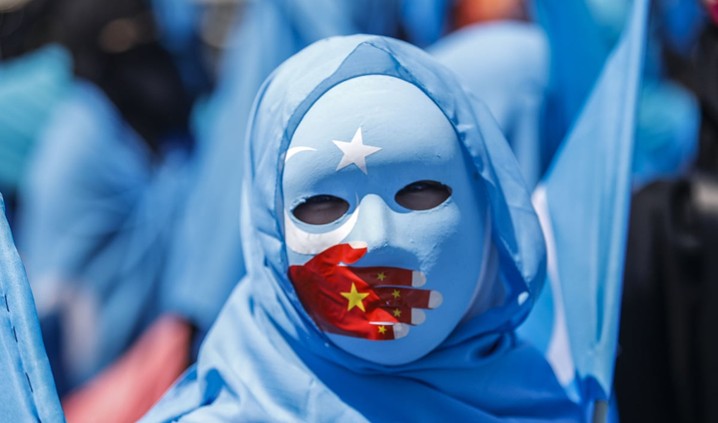
Uyghur Independence Day, observed globally on November 12th, honors the hope, resilience, and cultural pride of the Uyghur people, marking the legacy of two brief republics established in Xinjiang in the 20th century. The day serves as both a celebration of identity and a solemn reminder of current hardships—forced labor, repression, and human rights abuses inflicted by the Chinese Communist Party persist in the region. Commemorations unite Uyghurs and supporters worldwide, highlighting the enduring fight for autonomy, dignity, and the protection of Uyghur rights despite mounting international condemnation of Beijing’s oppressive policies.
The occasion commemorates the 74th and 85th anniversaries of the East Turkestan Republics, two distinct but short-lived Uyghur attempts to declare their independence from Chinese domination in the middle of the 20th century. In their ancient homeland of East Turkestan, the old Uyghur name for the area now officially known as Xinjiang, these republics symbolised the aspirations of the predominantly Turkic-speaking, Muslim Uyghur people for political and cultural autonomy.
Uyghur abuse reports span over a decade, with recent years marked by intensified persecution. The UN estimates around one million Uyghurs detained in “vocational education and training centers,” which leaked documents expose as high-security indoctrination camps. Detainees endure surveillance, political re-education, forced renunciation of religion, harsh punishments, and family separation. Many faces forced labor, psychological torture, and, for women, sexual abuse and sterilization. Upon release, Uyghurs are monitored at home. Cultural and religious practices, such as wearing veils, fasting, and speaking Uyghur, are criminalized, systematically erasing Uyghur identity and severing centuries-old traditions.
The Chinese government enforces systematic forced labor in Xinjiang, with local officials required to meet labor quotas. From 2017 to 2019, over 80,000 Uyghurs were relocated to factories producing goods for multinational companies, raising ethical and legal concerns about global supply chains. Uyghurs face intense economic, cultural, and political pressure, including mass detentions, pervasive surveillance, and severe restrictions on religious and cultural practices. These repressive actions are part of a broader strategy to assimilate Uyghurs and erase their unique identity, highlighting the ongoing human rights abuses under China’s state policies in the region.
According to an article published on www.icij.org, the latest UN report reveals increasing transnational repression targeting human rights defenders, with China prominently implicated. Using international bodies like the UN and Interpol, Beijing surveils, intimidates, and harasses activists worldwide, including Uyghur dissidents. Cases include two Hong Kong pro-democracy activists and a Uyghur linguist facing reprisals between 2024-2025. This sophisticated crackdown abroad chills defenders in exile and those advocating inside difficult environments. The report highlights growing global examples and calls for clearer understanding of state-led cross-border reprisals. The investigation exposed extensive abuse of international platforms to suppress Uyghur voices and other dissidents.
The Uyghur crisis draws international condemnation, with the US and allies recognizing China’s policies as genocide and imposing sanctions. The EU and Canada restrict trade tied to forced labor. Activists seek global awareness and accountability for China’s abuses, urging Uyghur autonomy. However, some Muslim-majority countries support China due to economic ties, weakening unified pressure. China’s clout within institutions like the UN hinders coordinated action. Uyghurs and allies worldwide document abuses, protect culture, and raise awareness through social media, cultural events, and survivor testimonies.
Governments and human rights organisations must impose severe penalties on organisations engaged in forced labour and human rights abuses, making sure that these actions have tangible repercussions. To successfully protect vulnerable populations, supply chains must be monitored and enforcement measures must be strengthened. The coordinated actions of the worldwide community, such as coordinated calls to action, trade restrictions, and symbolic boycotts, show the effectiveness of group advocacy. These tactics not only put pressure on repressive governments but also increase public awareness, encouraging responsibility and promoting human rights globally.
Uyghur Independence Day meaningfully means more than just observing history or lamenting injustice. It calls for active participation in the fight against forced labor and repression. Consumers worldwide can influence supply chains by demanding transparency and refusing to support companies complicit in exploitation. With global consumer awareness rising and international advocacy gaining momentum, there is hope that the world will stand stronger with the Uyghurs—not only on November 12th but every day—towards a future where freedom, dignity, and justice prevail.



Leave a Reply