
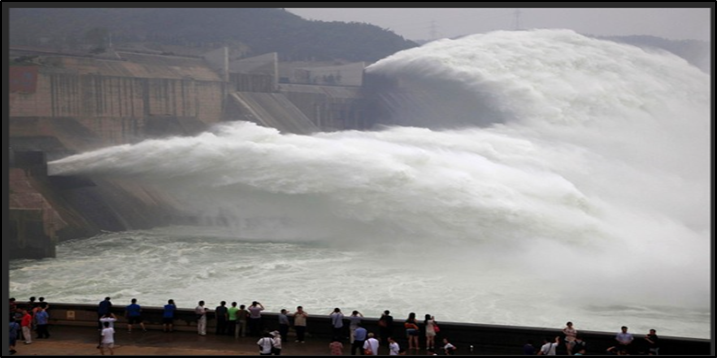
A significant energy reserve has been discovered in Tibet, offering the potential to revolutionize the region’s energy landscape. These groundbreaking findings play a pivotal role in addressing future energy demands. However, the exploitation of this resource poses considerable environmental risks, including potential damage to the delicate ecosystem of the Tibetan Plateau.
According to news article published in www.ecoportal.net on 13 Jan 25, it has been observed that there is a possibility of China employing aggressive extraction methods, such as extensive excavation, to harness this energy. These methods have far-reaching consequences, disrupting the natural environment and impacting local communities, showcasing the need for careful consideration of sustainable practices.
Tibet is now recognized as a critical area for hydrogen and renewable energy resources, which helps to satisfy China’s growing energy demands as China is facing rapid population growth. Therefore, the Chinese government is investing heavily in developing a major hydrogen energy industrial park on the Tibetan Plateau, promoting hydrogen as a cleaner alternative to fossil fuels.
Despite its potential, accessing this energy reserve is fraught with challenges. The rugged terrain and delicate ecosystem of Tibet pose significant obstacles, leading to concerns from local communities and environmentalists about the cultural and ecological impacts of extensive excavation efforts. Such actions cause more harm than benefits, potentially damaging one of the world’s most vulnerable ecosystems in Tibet and neighbouring countries.
As per the International Trade Administration of America, China’s push for hydrogen is driven by its commitment to meet dual carbon goals—reducing carbon emissions while increasing reliance on non-fossil fuel sources. Expanding green hydrogen production is vital for achieving these objectives. The National Development and Reform Commission of China has outlined a 15-year strategy to enhance the hydrogen sector, with plans to significantly boost production from renewable sources.
Sinopec, China’s largest refiner, has already initiated several green hydrogen projects across the country, including facilities in Inner Mongolia and Xinjiang. These projects are part of a broader $4.6 billion investment plan aimed at increasing annual hydrogen production capacity to 500,000 tonnes by 2025.
Consequently, the exploration of Tibet’s energy resources is closely tied to China’s overarching hydrogen strategy and its ambition to lead in renewable energy.
The methods proposed for extracting energy from beneath Tibet are alarming. It has extreme measures—potentially involving blasting through mountains—could lead to severe environmental degradation, habitat destruction, and increased seismic activity. Such actions irreversibly damage one of the planet’s most ecologically sensitive areas.
As Tibet becomes a focal point in the global debate over balancing energy needs with environmental protection, Tibet advocacy group globally advocate for investing in advanced technologies that minimize ecological disturbances. However, the feasibility of achieving such a balance remains uncertain amidst rising pressures for energy production.
The initiative has sparked a contentious dialogue both locally and internationally. While proponents argue that the development could position China as a leader in renewable energy, local Tibetan communities’ express deep concerns about the socio-cultural ramifications and environmental degradation that may result from aggressive resource extraction practices.
Prioritizing economic gain over ecological integrity have detrimental effects not only on Tibet’s environment but also on future generations. The question remains whether it is worth sacrificing natural reservoirs for short-term power and profit or if alternative solutions can be pursued that safeguard both the environment and sustainable energy supply.
While China’s exploration of Tibet’s energy reserves reflects its urgent need for hydrogen and ambition in renewable resources, it simultaneously raises critical ethical and environmental questions that must be addressed to ensure a sustainable future.







Leave a Reply